
26 | 03 | 24
Op zondag 17 maart 2024 brachten 40 deelnemers van de Polenreis 2023 een bezoek aan voormalig kamp Westerbork op uitnodiging van de directie.
26 | 03 | 2024
In voormalig concentratiekamp Auschwitz zijn onder de vloer van een gevangenenbarak kartonnen schaakstukken gevonden.
'Nooit Meer Auschwitz'
Via onze website kunt u ons werk heel gemakkelijk steunen met een eenmalige of periodieke donatie. Wij zijn blij met iedere bijdrage!
Waarom blijven herdenken?
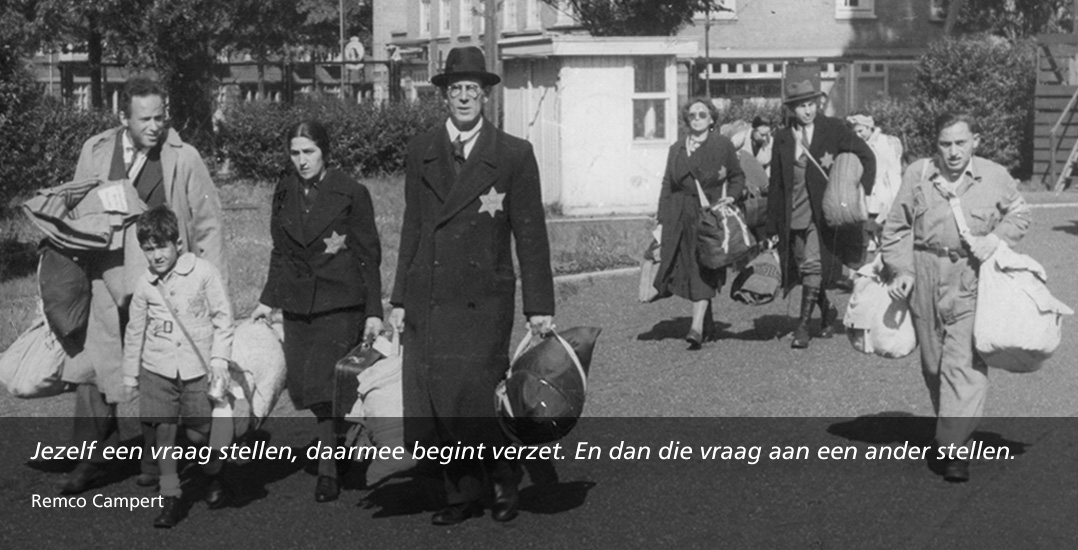
Tussen 1933 en 1945 zijn naar schatting 6 miljoen Joden, honderdduizenden Sinti en Roma, homoseksuelen, gehandicapten, Jehova's Getuigen en andere vervolgden omgebracht door de nazi’s. Van alle concentratie- en vernietigingskampen werden in Auschwitz de meeste mensen vermoord. Auschwitz is daardoor uitgegroeid tot universeel symbool voor de massavernietiging van onschuldige burgers. Van de 140.000 Joden die in 1940 in Nederland woonden, hebben er 102.000 de oorlog niet overleefd. Ook na zoveel jaren blijft het noodzakelijk om stil te staan bij hun leed en hun offer. Dat is niet alleen een ereplicht, maar ook een blijvend bericht aan volgende generaties over de verschrikkingen waar racisme en discriminatie uiteindelijk toe kunnen leiden.
Met onze activiteiten geven wij inhoud aan de spreuk
'Nooit Meer Auschwitz'.

Nationale Holocaust Herdenking
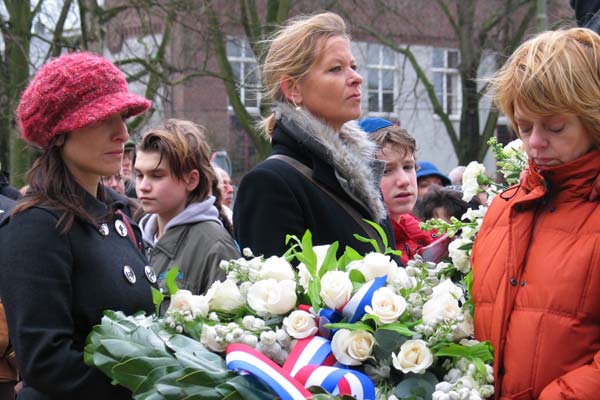
Ieder jaar organiseren wij de Nationale Holocaust Herdenking in Amsterdam. Loop mee in de Stille Tocht en sta stil bij de grootste menselijke tragedie ooit.
Herdenken >>

Spiegelmonument

De hemel zal nooit meer ongeschonden weerspiegeld worden in het monument dat Jan Wolkers voor ons ontwierp als permanent gedenkteken voor de Holocaustslachtoffers.
Monument bekijken >>

Nooit Meer Auschwitz Lezing
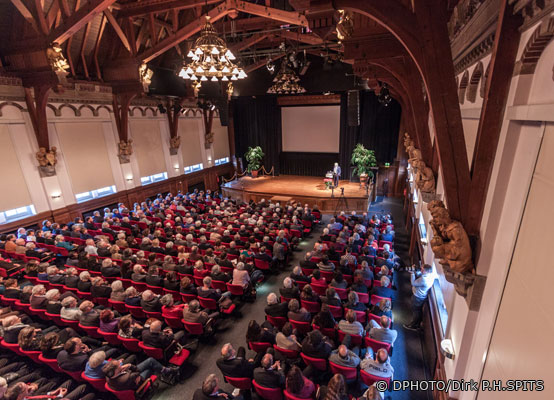
Omdat we waakzaam moeten blijven nodigen we ieder jaar een prominente spreker uit die zich bijzonder heeft ingezet voor de strijd tegen racisme, discriminatie en mensenrechten-schendingen.
Kennisnemen >>

Namenmonument
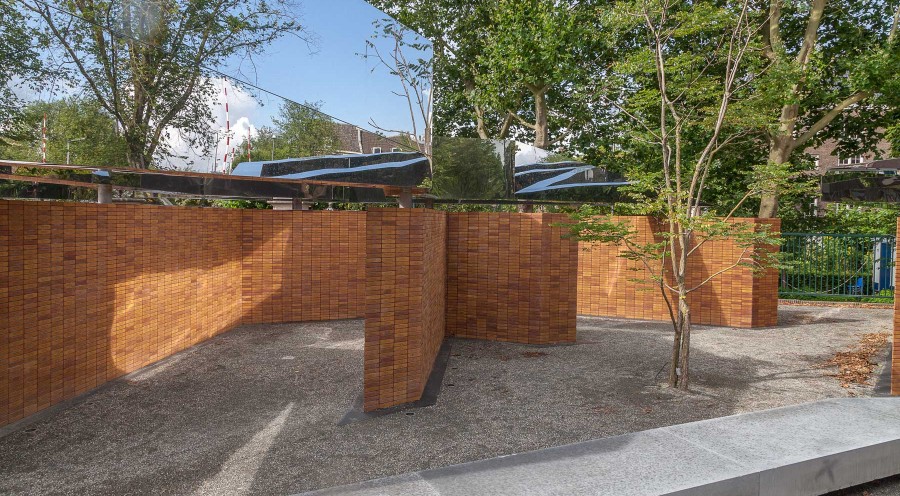
Ruim 102.000 Joodse en 220 Sinti en Roma slachtoffers van de Holocaust hebben meer dan 70 jaar na de Tweede Wereldoorlog een eigen monument gekregen met alle namen van de Nederlandse Holocaustslachtoffers. U kunt nog steeds bijdragen aan dit monument door een naam te adopteren of een andere donatie te doen.
Meer informatie >>

Reis naar Polen
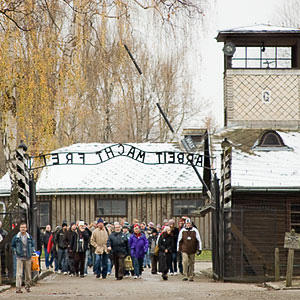
Jaarlijks organiseren wij een reis naar voormalige concentratie-vernietigingskampen in Polen voor een ieder die deze aangrijpende reis niet zelfstandig wil ondernemen.
Meereizen >>

Films
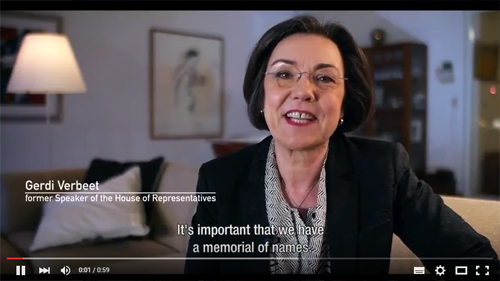
In de loop der jaren zijn er diverse films gemaakt over onze activiteiten. Op deze pagina kun je ze bekijken.
Films bekijken >>

Auschwitz Bulletin
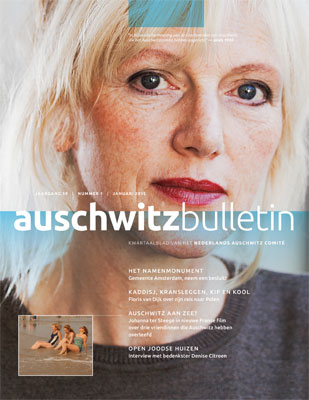
In het Auschwitz Bulletin lees je informatie over de Holocaust, het hier en nu, de zin van herdenken en de strijd tegen racisme en discriminatie. Met een abonnement steun je onze activiteiten.
Lees meer >>

Boeken & DVD's
In de toekomst is de webwinkel weer beschikbaar.